
Language online moves fast. Slang that feels new today can feel outdated tomorrow. One phrase people keep searching for is “BFFR meaning in 2026.” You’ve likely seen it on TikTok, X, Instagram comments, or group chats and paused for a second.
BFFR looks simple, but its tone and meaning shift depending on context. Sometimes it’s playful. Sometimes it’s sharp. Other times, it carries social commentary. That’s why people want clarity.
This guide breaks down exactly what BFFR means, how people use it in real life, and how to respond without sounding awkward or out of touch.
Definition & Core Meaning
What Does BFFR Mean?
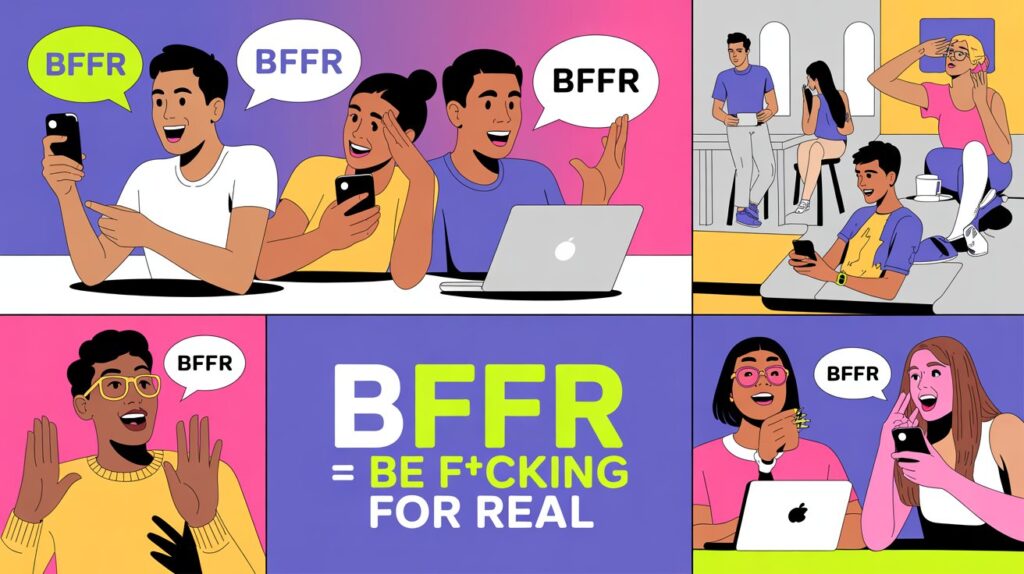
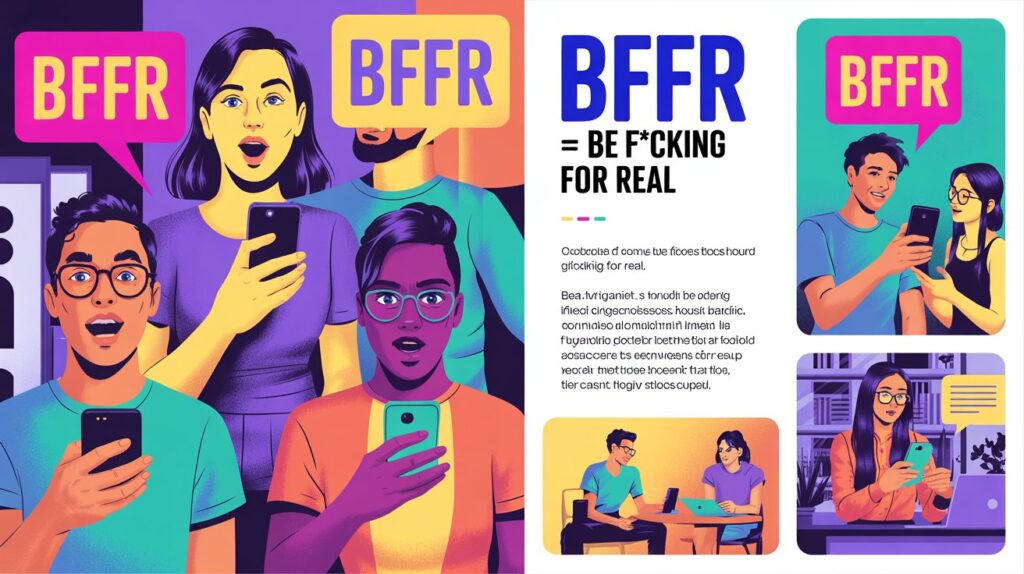
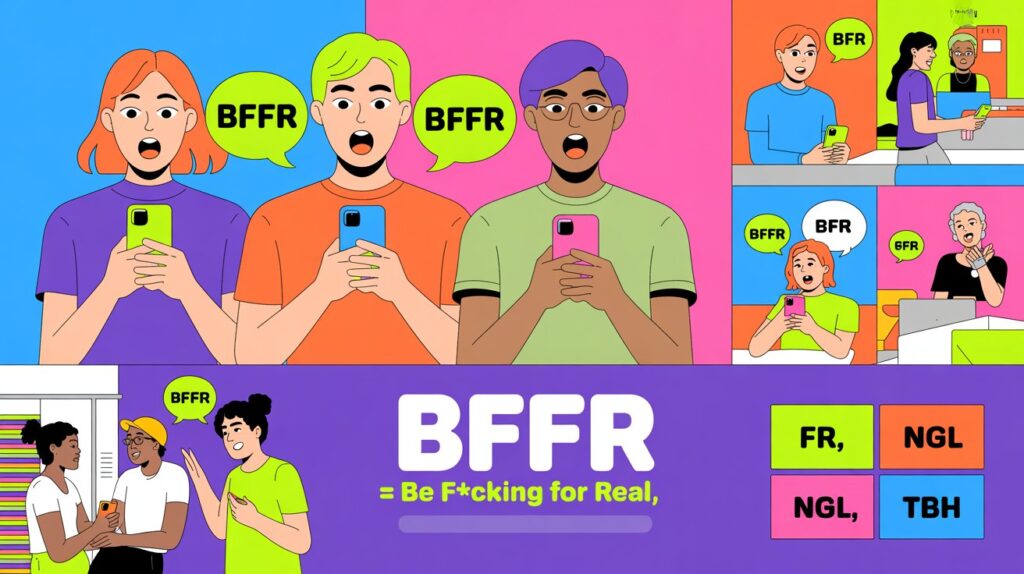
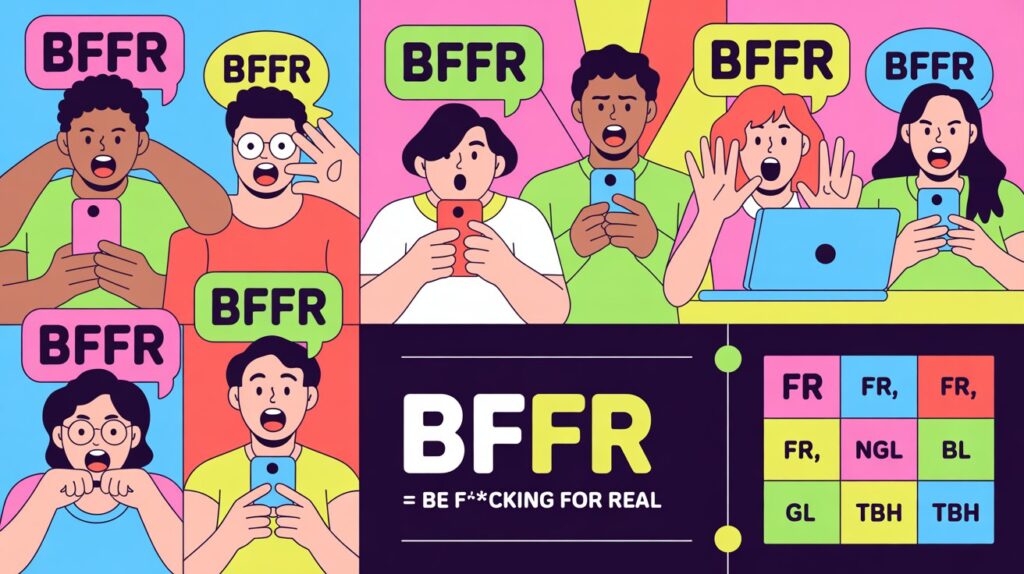
BFFR stands for “Be F*cking For Real.”
It’s a modern slang expression used to challenge, question, or react to something that sounds unbelievable, exaggerated, or disconnected from reality.
Core Meanings Explained
- Call for honesty
Asking someone to stop exaggerating or joking “You paid $900 for that? BFFR.” - Expression of disbelief
Showing shock or skepticism “He said he’s quitting his job tomorrow. BFFR.” - Reality check
Pushing someone to acknowledge facts “You think that plan will work? BFFR.”
Tone Matters
BFFR can feel:
- Playful among friends
- Sarcastic online
- Confrontational in serious conversations
Context decides everything.
Historical & Cultural Background
Where Did BFFR Come From?
BFFR emerged from internet shorthand culture in the late 2010s and exploded in popularity during the early 2020s. Its roots sit in:
- Black American Vernacular English (AAVE)
- Online meme culture
- Short-form video platforms like TikTok
The phrase evolved as people shortened longer reactions into punchy acronyms for fast scrolling environments.
Cultural Evolution
- Early use: Mostly humorous disbelief
- Mid-2020s: Became sharper and more sarcastic
- By 2026: A normalized reaction phrase across age groups
It now functions more like a tone marker than just an insult.
See also: How Internet Slang Shapes Digital Identity
Emotional & Psychological Meaning
BFFR isn’t just slang. It reflects modern communication psychology.
Why People Use BFFR
- Boundary setting
Calling out unrealistic expectations - Authenticity signaling
Valuing honesty over politeness - Social alignment
Showing you understand online culture
Emotional Subtext
Using BFFR can express:
- Frustration without long explanations
- Emotional fatigue with performative behavior
- A desire for grounded conversation
It’s blunt, but often emotionally efficient.
Different Contexts & Use Cases
Personal Life
Among close friends, BFFR is often lighthearted.
“You’re waking up at 5 AM for fun? BFFR.”
Here, it signals familiarity, not hostility.
Social Media
On public platforms, it’s sharper.
“This influencer says hard work fixes everything. BFFR.”
It becomes commentary, not conversation.
Relationships
In relationships, tone matters a lot.
- Playful teasing: acceptable
- During conflict: risky
“You forgot again? BFFR.”
This can escalate quickly.
Professional or Modern Usage
BFFR rarely belongs in formal settings. However, it appears in:
- Startup culture chats
- Casual Slack channels
- Creative industries
Use cautiously and only with peers.
Hidden, Sensitive, or Misunderstood Meanings
What People Get Wrong
- It’s not always rude
Tone and relationship define intent. - It’s not just Gen Z
Millennials and Gen Alpha use it too in 2026.
Cultural Misinterpretations
Outside the U.S., BFFR may feel aggressive because:
- Direct language isn’t universal
- Acronyms hide emotional weight
When Meaning Changes
- With emojis → softer
- In all caps → confrontational
- In quotes → sarcastic emphasis
“BFFR.” vs “bffr 😭” mean very different things.
Comparison With Similar Slang Terms
| Term | Meaning | Tone | Usage Context |
|---|---|---|---|
| BFFR | Be for real | Direct, skeptical | Calling out exaggeration |
| FR | For real | Agreement | Confirmation |
| NGL | Not gonna lie | Honest setup | Personal opinion |
| TBH | To be honest | Reflective | Thoughtful honesty |
| SMH | Shaking my head | Disapproval | Mild frustration |
Key Insight:
BFFR stands out because it demands reality, not just honesty.
Popular Types & Variations of BFFR
- bffr
Casual, low-intensity reaction - BFFR 😭
Disbelief mixed with humor - BFFR…
Judgmental pause, heavy skepticism - bffr pls
Softer, almost pleading tone - BFFR RIGHT NOW
Heightened emotion or frustration - “BFFR”
Sarcastic quotation usage - bffr lol
Dismissive but playful - BFFR fr
Double emphasis on realism - bffr tho
Casual conversational pushback - BFFR??
Shocked disbelief
How to Respond When Someone Says BFFR
Casual Responses
- “Okay, fair 😭”
- “You’re not wrong.”
- “I hear you.”
Meaningful Responses
- “You’re right. I exaggerated.”
- “Let me explain better.”
- “That’s valid.”
Fun Responses
- “Let me live!”
- “Reality hurts.”
- “I said what I said.”
Private or Serious Responses
- “I didn’t mean it that way.”
- “Let’s talk about it.”
- “That wasn’t my intention.”
Responding calmly keeps the conversation grounded.
Regional & Cultural Differences
Western Cultures
- Seen as humorous or sarcastic
- Common in youth and pop culture
- Often paired with emojis
Asian Cultures
- Less common in direct form
- May feel disrespectful if misunderstood
- Often replaced with softer phrases
Middle Eastern Contexts
- Direct confrontation less normalized
- BFFR may be taken literally
- Usually avoided in mixed settings
African & Latin Communities
- Often adapted into local slang rhythms
- Used playfully within peer groups
- Tone depends heavily on familiarity
Frequently Asked Questions
What does BFFR mean in texting?
It means “Be F*cking For Real,” used to express disbelief or call for honesty.
Is BFFR rude?
It can be. Tone, context, and relationship determine how it’s received.
Is BFFR still used in 2026?
Yes. It remains popular across social platforms and casual conversations.
Can BFFR be used jokingly?
Absolutely. Among friends, it’s often playful and humorous.
Is BFFR appropriate at work?
Usually no, unless you’re in a very casual, creative environment.
What’s a softer alternative to BFFR?
Try “be real,” “honestly?” or “come on now.”
Conclusion
The BFFR meaning in 2026 goes beyond a simple acronym. It reflects how people value honesty, realism, and emotional efficiency in modern communication. Sometimes it’s funny. Sometimes it stings. Often, it’s both.
Understanding BFFR helps you read tone better, respond smarter, and stay fluent in digital culture without sounding forced. Used thoughtfully, it can add clarity. Used carelessly, it can create friction.
Language evolves, but the desire for realness never fades.


